

In Thailand, one of Southeast Asia’s most important automotive hubs, the auto industry is facing a pivotal moment as traditional vehicle production and sales encounter economic challenges while electric vehicles (EVs) and hybrid models begin to reshape the market. Vehicle output has recently experienced a significant downturn, with overall automotive production dropping in recent years due to weak domestic demand, tight credit conditions, and rising household debt, impacting both new car sales and exports. However, despite these headwinds, the country has also celebrated a historic milestone with its first export of electric vehicles, underscoring a rapidly shifting automobile market that blends decline in internal combustion vehicles with strong growth in EV adoption and future opportunities.
The Thai automotive sector has long been referred to as the “Detroit of Asia,” reflecting its status as a major production and export base for global carmakers, including Toyota, Honda, and Isuzu. Traditional vehicle output has been under pressure, with production volumes sliding in recent times as the industry adapts to economic slowdowns and structural shifts. The downturn in domestic sales has been linked to stricter loan approvals and limited consumer purchasing power, which together have discouraged new car purchases and contributed to sales falling sharply in recent periods. This environment of tighter credit and elevated household debt has weighed on consumer confidence and slowed growth across multiple vehicle segments.
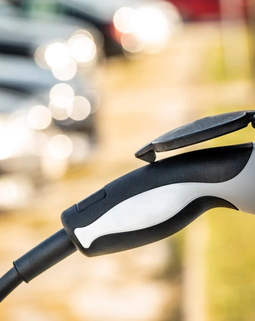
Despite these challenges, the EV segment in Thailand is emerging as a key area of momentum and potential growth. Thailand’s automotive industry marked a historical first by exporting electric vehicles, reflecting the growing presence of battery electric (BEV), plug-in hybrid (PHEV), and hybrid electric vehicles (HEVs) in production volumes. In April 2025, the country recorded its initial EV exports, a symbolic yet important step in signaling both domestic and international confidence in EV technologies and manufacturing capabilities. This development aligns with broader global trends where electrification is increasingly influencing production strategies and market shares.
Growth in EV and hybrid registrations has been notable, even as overall production of internal combustion engine (ICE) vehicles has declined. The surge in EV interest is supported by government incentives, manufacturer investment, and growing consumer demand for vehicles that offer lower long-term ownership costs and reduced environmental impact. This shift is also drawing significant investment — for example, electric vehicle production facilities and supply chains are expanding, which could help Thailand maintain its competitive edge as a regional automotive leader.
In addition to EV growth, the Thai industry has experienced mixed results in other vehicle categories. Recent data shows that total auto production has bounced back in certain months, with increases year-on-year driven by strong EV and modified pickup vehicle (PPV) demand. These trends suggest that while overall sales and production remain under pressure, specific market niches — particularly electrified vehicles — are contributing positively to short-term output and helping to balance the broader downturn.
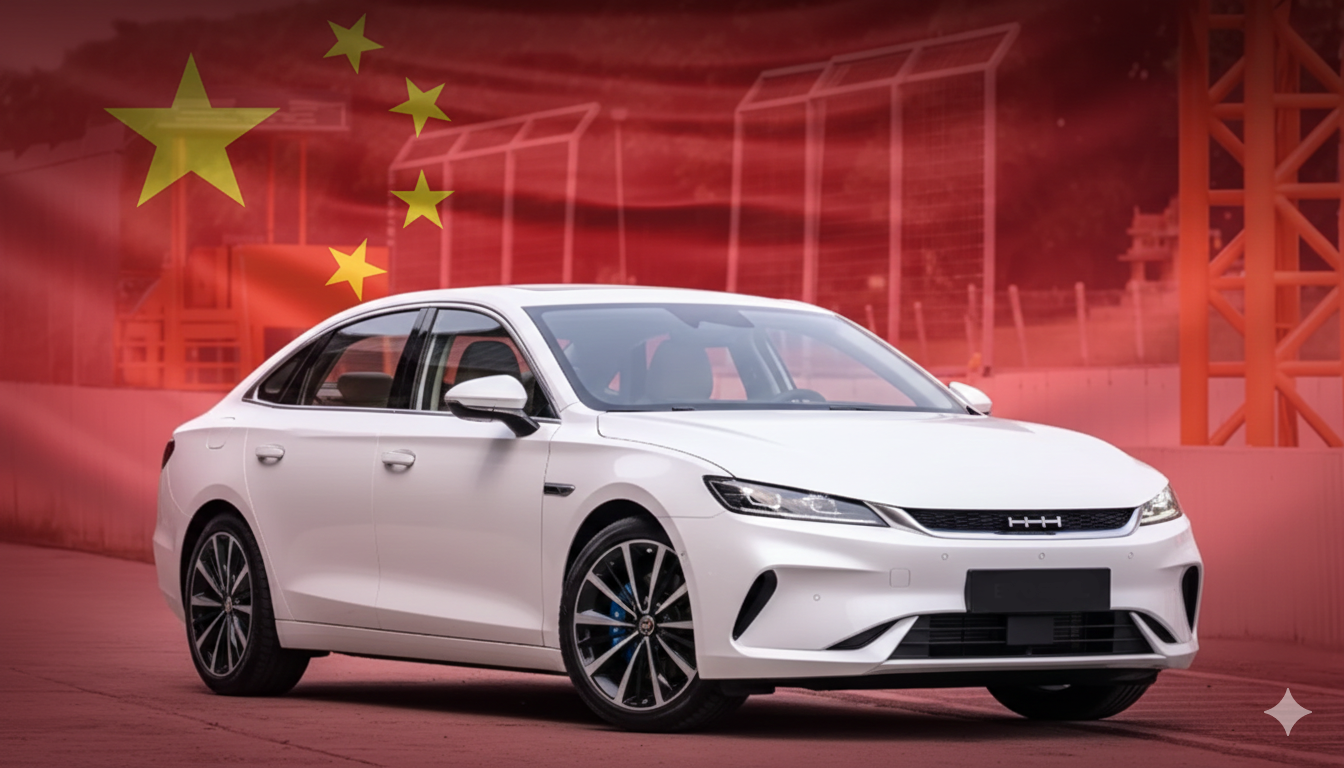
Export demand remains a key focus for the industry’s recovery. Thailand is actively seeking to boost exports of both conventional and electric vehicles, with production strategies tailored to meet diverse international markets. However, geopolitical challenges, competition from Chinese EV makers, and global supply chain shifts continue to complicate export prospects, emphasizing the need for strategic policy support and industry adaptation.
For Thai drivers and automotive enthusiasts, these industry dynamics could influence vehicle pricing, availability, and technology choices in the near future. As EV models become more commonplace and production facilities expand, consumers may benefit from a greater selection of electrified vehicles and improved access to advanced technologies. Meanwhile, traditional segments like pickup trucks and commercial vehicles will continue to play a role in sustaining overall market stability.
As Thailand prepares for potential policy adjustments, new incentive schemes, and continued evolution in consumer preferences, auto buyers and industry watchers alike should pay attention to trends shaping both domestic sales and export performance. What kind of vehicles are you most interested in — traditional models or the latest EVs? Share your thoughts in the comments and explore more insights on our blog for up-to-date analysis on Thailand’s automotive market.