

The automotive landscape in Thailand is undergoing a significant transformation as we enter 2026, marked by a noticeable rise in electric vehicle costs. This shift follows the expiration of the government’s generous EV3.0 incentive scheme, which has been officially replaced by the more restrictive EV3.5 policy. Consequently, Chinese automakers are adjusting their EV price lists to reflect reduced government subsidies and new excise tax structures that favor locally assembled models over imports.
The transition from EV3.0 to EV3.5 represents a pivotal moment for the Thai automotive industry. Under the previous rules, heavy discounting was common as brands rushed to clear 2025 stock and meet production requirements. However, in 2026, the subsidy for electric cars has been slashed to 50,000 baht, and this financial support is now strictly reserved for locally built EVs. For consumers, this means that imported electric vehicles are no longer eligible for these perks and must now grapple with a 10% excise tax, a sharp increase from the previous 2% rate.
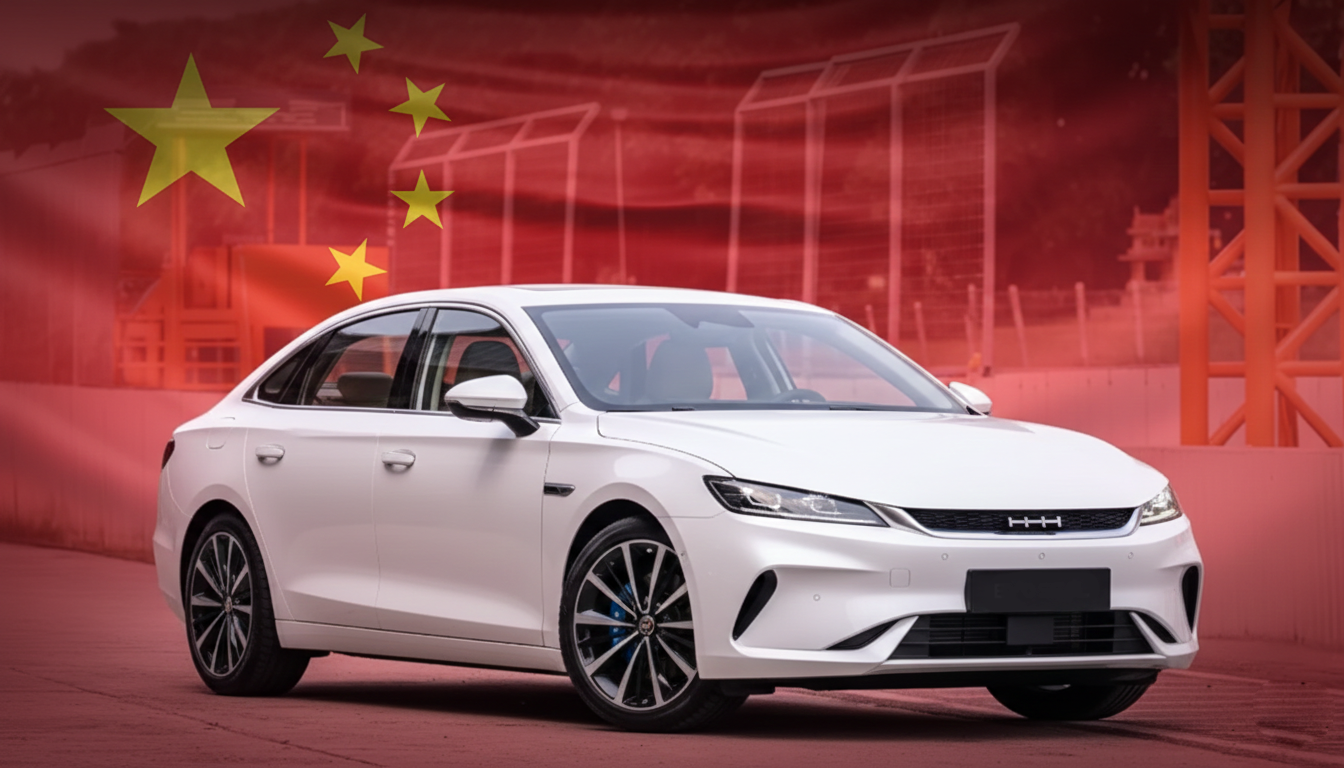
Major players like BYD and its distributor, Rêver Automotive, are already implementing these changes. After achieving impressive 2025 sales of nearly 50,000 units, popular models such as the BYD ATTO 3 and BYD DOLPHIN are expected to see price hikes pending Excise Department approval. Meanwhile, fully imported models have already seen immediate adjustments. The BYD Sealion 7 price has jumped by 190,000 baht, and the BYD M6 has risen by 160,000 baht. These adjustments highlight the ending of the "price war" era and the beginning of a more margin-focused EV market strategy.
Other Chinese EV brands are following suit to remain competitive while navigating the new tax regulations. The GAC AION UT EV saw an increase of 80,000 baht, while the premium GAC HYPTEC HT SUV rose by 75,000 baht. Despite these higher costs, manufacturers are adding value through long-term protection. For instance, MG Sales (Thailand) has introduced an EV Lifetime Warranty covering the high-voltage battery and drive motor to maintain buyer confidence. While the locally assembled MG4 only saw a modest increase of 30,000 baht effective January 12, 2026, its imported counterparts like the MG IM6 rose by a full 100,000 baht.
The growth of the ASEAN EV hub remains strong despite the price volatility. SAIC Motor-CP, the manufacturer of MG, reported a 44% year-on-year increase in sales for 2025, confirming that Thailand remains a strategic manufacturing base. Similarly, Great Wall Motor (GWM) saw a massive 146% surge in sales last year, led by the popular ORA Good Cat. As production shifts toward local assembly lines to qualify for the EV3.5 benefits, the market is expected to stabilize. For those looking to stay updated on the latest automotive trends and vehicle maintenance tips, visit our blog that provides excellent resources.
Understanding these 2026 EV price updates is essential for anyone planning a purchase this year. While the initial car prices are higher, the long-term savings on fuel and the advancement in EV technology continue to make sustainable transport an attractive option. Are you planning to switch to an electric car this year despite the subsidy cuts, or will you wait for more locally manufactured options to arrive? Share your thoughts in the comments below and check out our other articles at our blog to stay informed on the future of mobility.