

In a major development for the Thailand EV Assembly ecosystem, Geely Riddara Thailand — the local subsidiary of Chinese automaker Zhejiang Geely Holding Group — has announced plans to assemble its battery‑powered RD6 pickup truck within Thailand. The move reflects growing interest in electric vehicles (EVs) across Southeast Asia and positions Thailand as a key hub for regional EV production.
Overview of the RD6 Electric Pickup
RD6 History in Thailand
The Geely Riddara RD6 electric pickup truck was first introduced to the Thai market toward the end of 2024. In 2025, Thailand saw approximately 670 RD6 units delivered, all of which were imported from Geely’s manufacturing base in Zibo in Shandong Province, China. With the shift toward local assembly, the Thailand EV Assembly project aims to boost domestic production capacity and support long‑term growth in EV uptake — especially in the light commercial and pickup segments.
Pickup Segment Challenges and Opportunities
Traditionally, pickup trucks have been among Thailand’s most popular vehicle segments, particularly for commercial use in agriculture, logistics, and small business operations. However, overall demand for pickup trucks has weakened in recent years, primarily due to tightened lending standards and higher non‑performing loans that have restricted vehicle finance availability for consumers and enterprises alike.
Despite these headwinds, Geely Riddara’s leadership remains optimistic. General Manager Cao Feng stated that Thailand presents “an opportunity market for the pickup segment,” noting that battery‑powered pickups are likely to gain traction over time because they offer better energy efficiency compared with conventional internal combustion engine (ICE) models.
Driving the Thailand EV Assembly Initiative
Local Production Plans
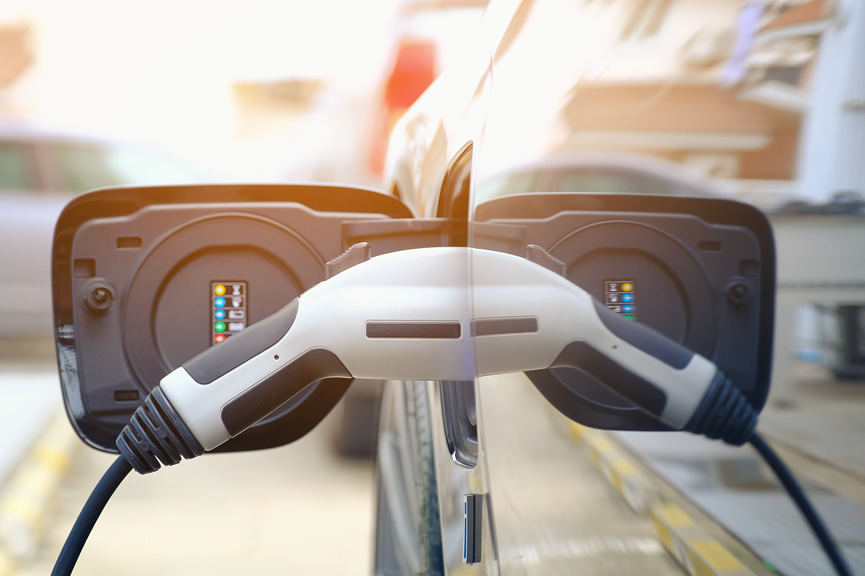
The new Thailand EV Assembly plans include establishing a production hub where the RD6 and potentially other electric pickup variants will be assembled locally. By bringing EV assembly into the country, Geely aims to achieve multiple strategic goals:
-
Reduce import costs and tariffs by producing domestically
-
Enhance price competitiveness for Thai buyers
-
Attract export opportunities to neighboring Southeast Asian markets
This strategy aligns with Thailand’s broader national push toward EV adoption and manufacturing. The Thai government has been actively promoting electric mobility through incentives, tax breaks, and infrastructure support, which together contribute to a more favorable environment for EV production and sales.
Regional Expansion Strategy
Geely Riddara has already begun marketing the RD6 in neighboring ASEAN countries such as Myanmar, Laos, and the Philippines. The company is also exploring opportunities in Malaysia and potentially other Southeast Asian markets. These efforts underscore how Thailand EV Assembly could serve as a springboard for broader regional EV distribution and supply chain development.
For ongoing updates on EV production trends and the evolving electric mobility landscape across Southeast Asia, check out AsiaCarNews for expert coverage and market insights on EV adoption, regional policies, and manufacturing developments.
Economic and Market Impacts
Boosting Local Industry
Bringing EV assembly to Thailand is expected to have positive ripple effects on the local automotive industry. It could create jobs, stimulate parts and service ecosystems, and attract ancillary suppliers — all of which help strengthen Thailand’s position as a regional automotive production leader.
Consumer Growth and Adoption
As electric vehicles become more competitively priced thanks to local assembly, consumer interest in EV pickups and other models is projected to grow. With rising fuel costs and greater awareness of environmental concerns, battery‑powered pickups like the RD6 are increasingly appealing to budget‑ and eco‑minded buyers.
How do you see Thailand EV Assembly reshaping the electric pickup market across Southeast Asia? Do you think locally assembled EVs like the RD6 will gain widespread acceptance among Thai drivers and businesses? Drop your thoughts in the comments below — let’s discuss the future of EV manufacturing and mobility in the region!