


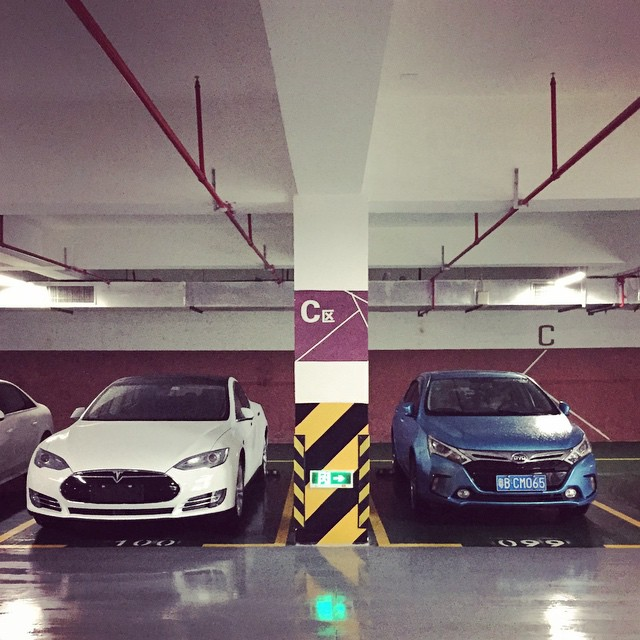
Thailand’s electric vehicle market is witnessing a fierce EV Price War in 2025 as industry giants BYD and Tesla ramp up their presence. The competition over price, production, and brand appeal is revving up, reshaping consumer options and market dynamics.
BYD’s Bold Expansion Strategy
Local Production Supercharges BYD’s Momentum
BYD has established its first fully owned production plant in Rayong, Thailand, with an annual capacity of 150,000 vehicles. This facility empowers BYD to scale locally and flexibly compete on price—central to its EV Price War strategy.
Aggressive Pricing Takes Center Stage
In a bold move during mid-2025, BYD slashed prices on 22 EV and hybrid models by up to 34%. These steep discounts, especially on popular models like the Seal and Seagull, have triggered a wider EV Price War across the market—catching attention and drawing buyers with unbeatable value.
Tesla Joins the Fray
While Tesla continues to target the premium segment with its advanced technology and brand cachet, the company is adjusting its positioning in Thailand amid the EV Price War. The intense competition underscores Tesla’s need to assess pricing strategies and accelerate localization to stay competitive.
Market Dynamics Amid the EV Price War
Local Production Flexibility
Thailand recently adjusted its EV policy to allow exports of locally produced EVs to count toward domestic production targets. This tweak offers manufacturers—including BYD and potentially Tesla—the flexibility to manage production efficiently in the context of the EV Price War.
Chinese Brands Command Market Share
Chinese automakers, led by BYD, dominate over 70% of Thailand’s EV market. In 2025, BYD alone holds nearly 50% of market share. This dominance illustrates how the EV Price War hinges on production scale, competitive pricing, and local assembly reach.
What Lies Ahead in the EV Price War
Risks and Rewards
Aggressive price cuts benefit consumers now—but could eat into profit margins and strain companies, especially smaller entrants. The long-term sustainability of the EV Price War hinges on balancing volume with profitability.
Infrastructure and Consumer Confidence
To maintain momentum, Thailand’s EV ecosystem must evolve with robust charging infrastructure and reliable after-sales service. The EV Price War will accelerate adoption only if long-term trust and infrastructure confidence keep pace.
Platforms like Asia Car Group’s portal help buyers navigate this pricing battleground by offering transparent comparisons and access to the latest models.
Are you feeling the impact of the EV Price War in Thailand? Have you noticed BYD’s discounts or Tesla’s strategy shift? Share your thoughts, experience, or expectations in the comments—let’s drive the conversation forward!