

Thailand, a major automotive manufacturing hub in Southeast Asia, is increasingly focused on greening its transport sector, particularly through the aggressive promotion of Electric Vehicles (EVs). However, while the conversation often centres on tailpipe emissions and carbon footprint, a significant, yet often overlooked, environmental cost lurks in the maintenance and service sector: Automotive Chemical Waste. The improper handling of used oils, coolants, solvents, and detailing products poses a direct and immediate threat to Thailand’s water and soil quality, especially in densely populated urban areas like Bangkok.
The high volume of vehicles, combined with a large informal or independent repair sector, creates immense challenges for effective Waste Management.
Contaminated Runoff and Toxic Disposal
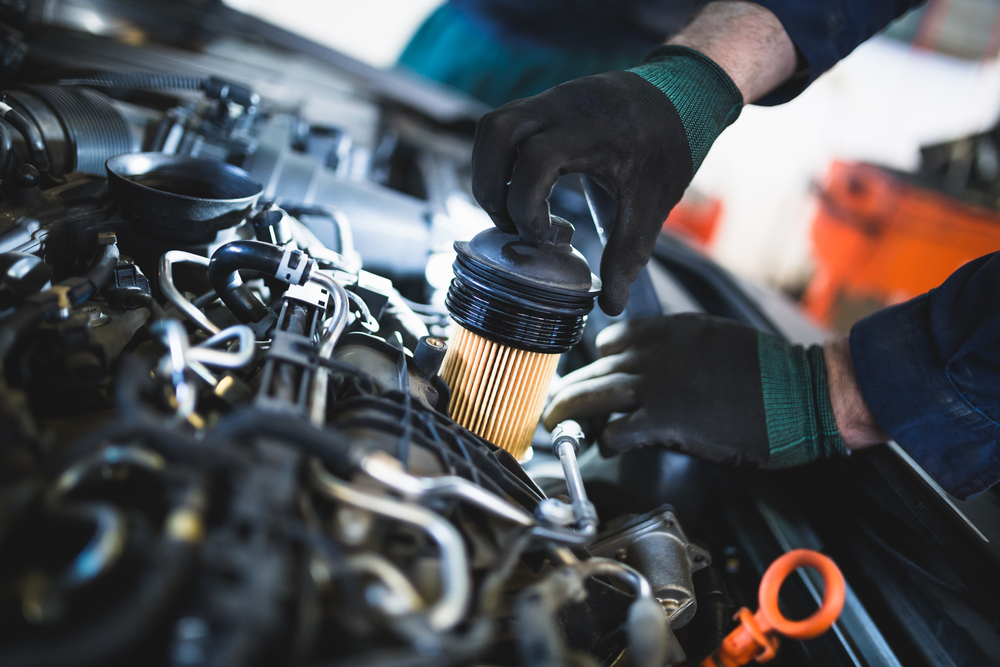
The most severe environmental consequence stems from the liquid waste generated during routine servicing. Used engine oil, transmission fluid, and coolant are all classified as Hazardous Waste Disposal materials. Improper practices, such as pouring these fluids down drains, into storm sewers, or directly onto the soil, result in severe water contamination.
The Problem with Fluids
Motor oil is particularly toxic; a single litre can contaminate vast amounts of groundwater. In a monsoon environment, these pollutants are quickly mobilized, leading to Contaminated Runoff that flows directly into canals, rivers, and coastal waters, devastating aquatic ecosystems and impacting public health. Used coolants, rich in ethylene glycol, are also highly toxic. Similarly, many traditional car wash and detailing products—soaps, waxes, and degreasers—contain surfactants and phosphates that, while seemingly innocuous, strip protective oils from aquatic life and contribute to nutrient pollution. This compounding issue is a major element of the hidden cost of Automotive Chemical Waste.
Packaging and VOCs
Beyond the liquids, the sheer volume of single-use plastic packaging from replacement parts and fluids adds to the national plastic waste crisis. Furthermore, many cleaners, solvents, and paints used in body shops and detailing release Volatile Organic Compounds (VOCs) into the air, contributing to localized air pollution and smog formation. Managing this stream of Automotive Chemical Waste requires systemic change.
Regulatory Shift: The Polluter-Pays Principle
Recognizing the gravity of this environmental load, Thailand's regulatory framework is evolving to impose greater responsibility on waste generators. A significant update involves the adoption of the Polluter-Pays Principle for industrial waste management. Since late 2023, new regulations have been implemented by the Ministry of Industry, extending the generator's responsibility and liability for Hazardous Waste Disposal from the point of generation until it is properly and completely processed by a licensed entity.
This legal shift is designed to formalize the disposal chain, forcing workshops and service centers—including independent operators—to invest in proper storage, collection, and documentation of Automotive Chemical Waste. While primarily targeting industrial entities, this principle trickles down to compel the entire vehicle maintenance ecosystem to partner with licensed Waste Management firms.
The demand is also driving innovation in the consumer market. A growing trend, mirroring those seen globally on platforms like AsiaCarGroup, is the shift toward Sustainable Car Care. Consumers and workshops are increasingly seeking biodegradable, water-based cleaners and ethical suppliers that commit to closed-loop recycling for lubricants and parts. This commitment to transparency and proper handling of Automotive Chemical Waste is essential for Thailand to maintain its environmental goals alongside its status as a major regional automotive power.
Given the choice between supporting a local mechanic who uses traditional products but disposes of waste improperly, and a service centre that uses more expensive Sustainable Car Care products but guarantees ethical Hazardous Waste Disposal, which would you choose for your next car service in Thailand? Share your priority below!